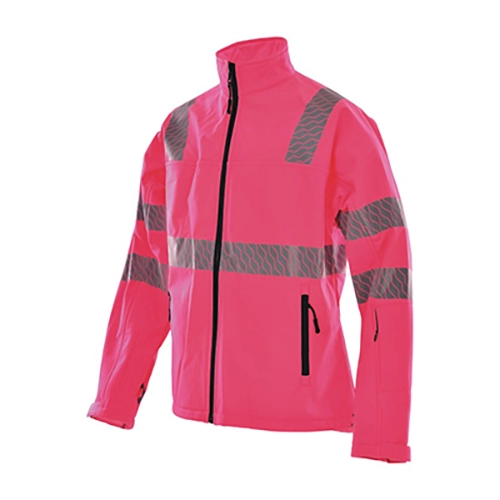
Buying hi vis jackets in bulk involves more than selecting a fluorescent color and adding reflective tape. For a professional workwear program, the same jacket may need to withstand rain, cold temperatures, frequent movement, industrial conditions, or specific thermal hazards while remaining comfortable enough for extended shifts.
That is why sourcing decisions should begin with the jobsite rather than a catalog category. A roadwork contractor exposed to heavy rain may need waterproof construction, while a logistics team working through cold mornings may prioritize insulation. Workers who move constantly may benefit from a flexible softshell, whereas certain industrial environments may require a flame-resistant garment designed to applicable standards.
For buyers comparing bulk hi vis jackets, understanding these differences before requesting samples can make supplier evaluation more precise and help prevent costly specification changes after production begins. The following guide explains what to consider when comparing waterproof, insulated, softshell, and FR options for a professional workwear program.
The most reliable way to select hi vis jackets is to define the working environment before deciding on the garment style. Different jobs expose workers to different combinations of weather, physical activity, vehicle traffic, temperature, and occupational hazards.
Start by identifying where the jackets will be used and how workers typically move during a shift. Road construction crews, utility technicians, warehouse personnel, transportation workers, railway maintenance teams, and outdoor contractors may all require high visibility, but their performance priorities are not necessarily the same.
Weather exposure is another important consideration. A team working outdoors in frequent rain may need waterproof construction and protected closures. Workers exposed to cold conditions may need insulated bulk hi vis jackets, while employees working in milder conditions may prefer lightweight softshell construction that allows greater freedom of movement.
Buyers should also consider whether the jacket will be worn as a standalone outer layer or over other workwear. This affects sizing, sleeve construction, arm mobility, insulation thickness, and the amount of room required for layering.
Before requesting quotations, it is useful to create a basic application profile covering work environment, expected weather, temperature range, worker activity, visibility requirements, hazards, expected wear frequency, and applicable standards. This gives manufacturers a much clearer starting point than a generic request for “safety jackets.”
Buyers can also review the Kachun Workwear product range to compare available workwear categories and identify suitable construction options before finalizing a sourcing specification.
Waterproof, softshell, and insulated hi vis jackets are designed around different performance priorities. The right choice depends on the working conditions rather than simply the season or appearance of the garment.
| Jacket Type | Main Function | Typical Application | Key Specifications to Compare |
|---|---|---|---|
| Waterproof hi-vis jacket | Protection against rain and wet weather | Road construction, utilities, outdoor logistics, general site work | Waterproof construction, seam protection, hood, storm flap, zipper, breathability |
| Softshell hi-vis jacket | Flexibility, mobility, and wind resistance | Active outdoor work and transitional weather | Stretch, fabric hand feel, wind resistance, breathability, layering compatibility |
| Insulated hi-vis jacket | Thermal protection in colder conditions | Winter construction, transportation, outdoor maintenance | Insulation type, lining, warmth, garment weight, cuffs, hem and collar design |
| FR hi-vis jacket | High visibility combined with flame-resistant protection | Specified industrial environments with thermal hazards | FR material system, certification, reflective components, closures, labeling |
For waterproof bulk hi vis jackets, buyers should evaluate the complete garment rather than focusing exclusively on the outer fabric. Seams, zippers, pockets, hood construction, storm flaps, and adjustment systems can all influence how effectively the garment performs in wet conditions.
Softshell jackets generally emphasize flexibility and comfort. They can be useful for workers who walk, climb, operate equipment, or perform tasks requiring frequent upper-body movement. Fabric stretch and garment pattern therefore deserve close attention during sample evaluation.
Insulated jackets require a different balance. More insulation does not automatically mean a better workwear solution. Excessive bulk can restrict movement, while inadequate insulation may leave workers uncomfortable in cold conditions. Buyers should therefore consider the intended activity level alongside the expected weather.
Some workwear programs may also benefit from a layered approach. Instead of requiring one jacket to perform every function, buyers can use different outerwear configurations for different seasons or job roles. This can make the overall program more adaptable when the workforce operates across changing conditions.
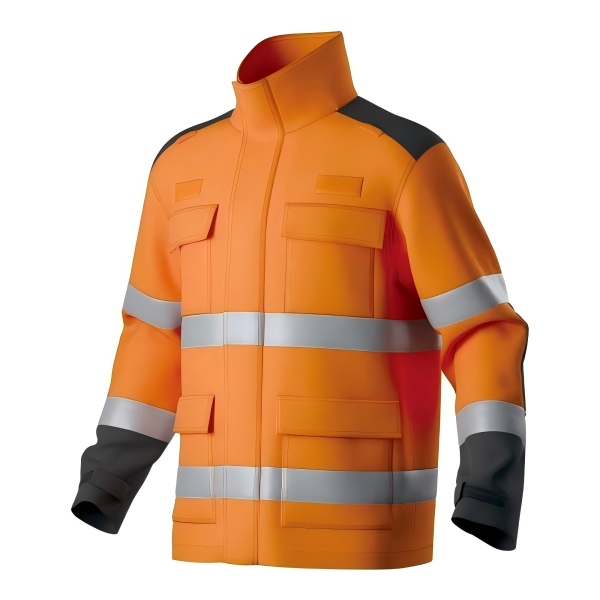
Flame-resistant hi vis jackets require a different sourcing approach from standard high-visibility outerwear. If workers face a documented thermal or flash-fire hazard, the garment should be selected according to the applicable workplace risk assessment and safety requirements.
For example, NFPA 2112 addresses flame-resistant clothing intended to protect industrial personnel against short-duration thermal exposures from fire. Buyers should identify which standards and regulations apply to their specific industry and market instead of assuming that a general “FR” claim is sufficient.
The fabric is only one part of the specification. Thread, reflective materials, closures, labels, pocket construction, insulation, and other components can affect the performance of the finished garment. This makes garment-level documentation particularly important when sourcing bulk hi vis jackets for industrial programs.
Buyers should request relevant test reports, certificates, fabric information, and compliance documentation before approving production. Where certification is required, the documentation should correspond to the actual garment construction and production configuration rather than a visually similar product.
It is also important to distinguish flame resistance from general heat protection. A garment should be selected based on the specific hazard it is intended to address. The supplier should be able to explain the material system and applicable testing rather than relying only on marketing terminology.
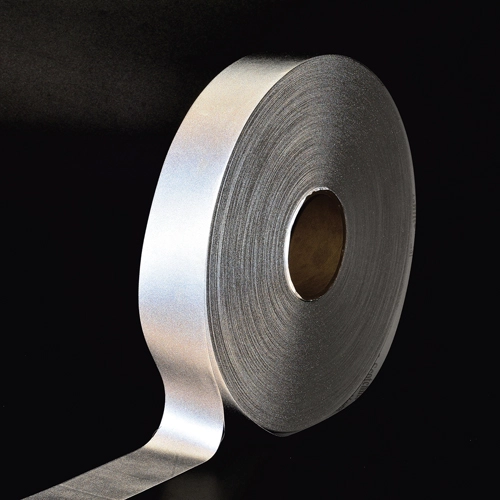
High visibility is not determined by fluorescent fabric alone. The amount, configuration, and placement of retroreflective material, together with the garment's overall construction, influence how clearly the wearer can be identified.
ISO 20471 specifies requirements for high-visibility clothing, including requirements related to color, retroreflection, and minimum areas of relevant materials. The standard is intended to improve wearer conspicuity in daylight and when illuminated by vehicle headlights.
For buyers, this means reflective tape should be considered as part of the entire garment design. The placement of reflective bands around the torso and on the sleeves can influence visibility from different viewing angles. The final design should be evaluated against the applicable standard and intended working environment.
Garment construction can also affect the visual layout. Pockets, seams, zippers, reinforcement panels, detachable sections, and ventilation openings may interrupt reflective elements or change their position when the garment is worn.
For this reason, buyers should not rely entirely on flat product photography. A sample should ideally be evaluated on a person from the front, back, and sides. It is also useful to observe the garment while the wearer raises their arms, bends, walks, and performs representative work movements.
Fit matters as well. An oversized garment can cause reflective bands to sit differently from their intended position, while an overly tight jacket may restrict movement and affect comfort. A consistent size specification is particularly important when ordering bulk hi vis jackets for a large workforce.
A detailed technical specification makes bulk sourcing more predictable. Instead of asking a supplier for a generic high-visibility jacket, buyers should define the material and construction requirements that are important to the application.
For the shell, buyers may consider woven polyester, polyester blends, coated fabrics, laminated constructions, softshell materials, or FR-rated fabrics depending on the application. Important factors can include fabric weight, durability, color consistency, stretch, water resistance, breathability, and hand feel.
The lining should correspond to the intended season and activity level. Lightweight mesh or similar constructions may support ventilation, while quilted or insulated linings may be more appropriate for cold-weather applications. Buyers should also specify whether the jacket needs enough room for fleece, sweaters, or other layers underneath.
Closures deserve particular attention in outdoor workwear. Waterproof jackets may require protected zippers and storm flaps, while cold-weather garments may benefit from adjustable cuffs and secure hem construction. Collar height and hood adjustment can also affect weather protection and wearer comfort.
Pockets should be evaluated according to the actual tools and personal items workers need to carry. Pocket openings should remain practical when the wearer has gloves on, while pocket placement should not interfere with reflective layouts or equipment such as harnesses and belts.
Branding requirements should be defined at the same stage. Buyers should specify logo size, position, application method, color requirements, and whether branding can interfere with reflective material or required certification. This helps prevent changes between the approved sample and production garments.
Sample approval is one of the most important steps in purchasing bulk hi vis jackets. A sample should be evaluated as a working garment rather than simply as a finished product photograph.
Begin by checking the materials against the approved specification. Compare shell fabric, color, weight, lining, insulation, reflective material, closures, and trims. Any difference between the requested specification and the physical sample should be documented before approval.
Next, evaluate fit and mobility. Have representative users put the jacket on and perform common movements such as reaching, bending, lifting, walking, sitting, and operating equipment. This can reveal problems with sleeve length, shoulder width, armholes, cuffs, or overall pattern construction.
Weather protection should also be considered according to the intended application. For waterproof jackets, inspect seams, zippers, hood construction, pocket openings, and storm flaps. For insulated jackets, examine how evenly the insulation is distributed and whether the garment remains comfortable during movement.
Visibility should be assessed from multiple angles. Check reflective material placement on the front, rear, and sleeves and verify that the design remains consistent when the garment is worn and zipped.
Finally, examine production details such as stitching, seam finishing, zipper alignment, reflective tape attachment, pocket symmetry, labels, and logo placement. These details may appear minor on one sample but become significant quality-control issues across a large production run.
Before approving the order, buyers should document the final sample specification in writing. The approved sample, technical sheet, artwork, measurements, materials, and inspection criteria can then serve as references for future production.
For project-specific sourcing requirements, buyers can contact Kachun Workwear with information about the intended application, target market, jacket type, branding requirements, and expected order specifications.
For recurring workwear programs, the objective should not simply be to find a jacket that looks suitable for one order. A stronger sourcing process establishes a repeatable specification that can be used for future production.
The specification should identify the jacket category, intended work environment, shell fabric, lining, insulation where applicable, reflective configuration, closures, colors, size range, branding details, applicable standards, packaging requirements, and quality-control expectations.
This also makes supplier comparison more meaningful. When several manufacturers quote against the same specification, procurement teams can compare differences in materials, construction, production capability, customization, documentation, and commercial terms rather than comparing fundamentally different garments.
For larger workwear programs, consistency is particularly important. The replacement jacket ordered six months later should remain compatible with the original program in terms of appearance, sizing, visibility configuration, and core performance requirements whenever the specification has not changed.
A clear technical brief can also reduce unnecessary revisions during production. When fabric, reflective layout, closure type, measurements, logo placement, and packaging are agreed before production, there is less room for interpretation between the buyer and manufacturer.
Sourcing hi vis jackets for a professional workwear program starts with the working environment rather than the appearance of the garment. Waterproof, softshell, insulated, and FR constructions address different performance requirements, so the appropriate choice depends on weather exposure, worker activity, visibility needs, temperature, workplace hazards, and applicable standards.
For bulk hi vis jackets, buyers should look beyond unit price and evaluate fabric, lining, reflective layout, closures, garment construction, fit, documentation, branding, and sample-to-production consistency. A detailed specification and structured sample approval process can make supplier communication more precise and help create a repeatable workwear program.
For buyers developing a new workwear range or expanding an existing one, Kachun Workwear can provide a practical starting point for discussing jacket construction, customization, and application-specific requirements. The more clearly the working environment and technical requirements are defined, the easier it becomes to develop a jacket specification that can support long-term bulk sourcing.
The main options include waterproof, softshell, insulated, and flame-resistant hi vis jackets. The appropriate construction depends on weather exposure, worker activity, temperature, and workplace hazards.
No. Waterproof construction primarily protects against rain and wet conditions, while insulation is designed to provide thermal protection in colder environments. A jacket can combine both features.
FR jackets should be considered when a documented workplace hazard requires flame-resistant protection. Buyers should identify the applicable regulations and standards before selecting the garment.
Key factors include shell fabric, lining, insulation, reflective material and layout, closures, construction quality, sizing, branding, applicable standards, documentation, and sample-to-production consistency.
Visibility depends on the complete garment design, including the amount and placement of fluorescent and retroreflective materials. The configuration should be selected according to the applicable standard and workplace requirements.
Use a detailed technical specification, approve a representative sample, document critical construction details, and establish clear inspection criteria before bulk production begins.
NEXT
 English
 日本語
日本語 français
 português
 Deutsch
 dansk
dansk Suomi
Suomi Español
 Nederland
 norsk
norsk