Sustainability claims in the workwear industry are becoming more detailed. Buyers are no longer satisfied with a simple statement that a garment is made from “recycled polyester.” They increasingly want to know where the recycled material comes from, how it is tracked, whether the manufacturing process is controlled, and whether the finished garment can support a credible environmental claim.
This is where the Global Recycled Standard (GRS) becomes important.
For companies sourcing safety workwear China, or working directly with a China workwear manufacturer, understanding GRS certification can make supplier evaluation much easier. GRS is not simply a fabric specification. It is a certification system covering recycled content, chain of custody, processing requirements, and additional social and environmental criteria.
GRS stands for Global Recycled Standard. It is a product standard developed by Textile Exchange to verify and track recycled raw materials throughout the supply chain.
The standard is designed to verify recycled content and provide traceability from recycled input materials through processing and manufacturing. It also includes requirements related to social practices, environmental management, and chemical use.
This means “GRS recycled fabric” should not be interpreted simply as “fabric made from recycled polyester.” A credible GRS claim involves documented material movement and certified organizations within the relevant supply chain.
For workwear buyers, this distinction is particularly important when comparing suppliers offering apparently similar recycled polyester jackets, shirts, or vests.
GRS certification relies heavily on chain-of-custody controls.
Recycled inputs must be identified and verified, then tracked as they move through different stages of production. A certification body audits organizations participating in the certified supply chain.
The process can involve:
Verification of recycled raw materials.
Documentation of material movement.
Segregation or controlled handling of certified materials.
Processing under applicable GRS requirements.
Documentation of certified output.
Third-party certification and auditing.
Controlled use of GRS claims and labels.
Textile Exchange explains that GRS uses the chain-of-custody requirements of the Content Claim Standard (CCS). It accepts both pre-consumer and post-consumer recycled materials when they meet the applicable requirements.
This makes GRS particularly relevant to B2B buyers who need evidence behind sustainability claims rather than relying solely on supplier marketing statements.
GRS and RCS are both Textile Exchange standards for recycled materials, but they are not identical.
The Recycled Claim Standard (RCS) primarily verifies recycled content and chain of custody. GRS adds broader processing requirements, including social, environmental, and chemical criteria.
Certification | Main Focus | Additional Requirements | Typical Buyer Concern |
RCS | Recycled content and traceability | More limited than GRS | Is the material genuinely recycled? |
GRS | Recycled content and traceability | Social, environmental and chemical requirements | Is the entire certified process controlled? |
OEKO-TEX STANDARD 100 | Harmful-substance testing | Product-specific testing | Is the textile safe from regulated harmful substances? |
ISO 14001 | Environmental management system | Organization-level EMS | Does the factory systematically manage environmental impacts? |
ISO 20471 | High-visibility clothing | Visibility performance | Does the garment meet high-visibility requirements? |
Textile Exchange currently identifies GRS and RCS as part of its existing standards system, while transitioning toward the new Materials Matter Standard. The Materials Matter Standard becomes effective on December 31, 2026, with mandatory application for eligible audits from December 31, 2027.
For procurement teams, this transition is worth monitoring when establishing long-term recycled-material sourcing programs.
A workwear supplier may purchase recycled yarn, convert it into fabric, manufacture garments, and then sell finished products to international buyers.
At each stage, buyers need confidence that the recycled claim remains traceable.
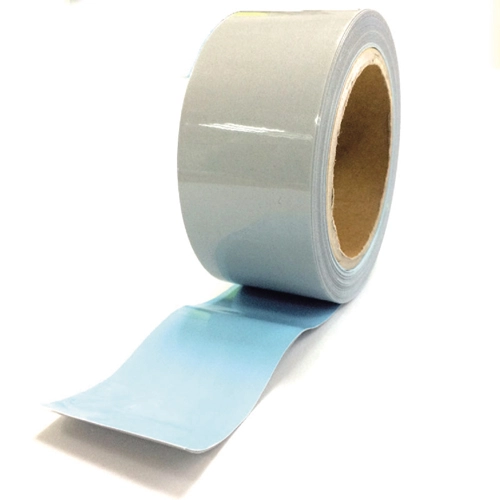
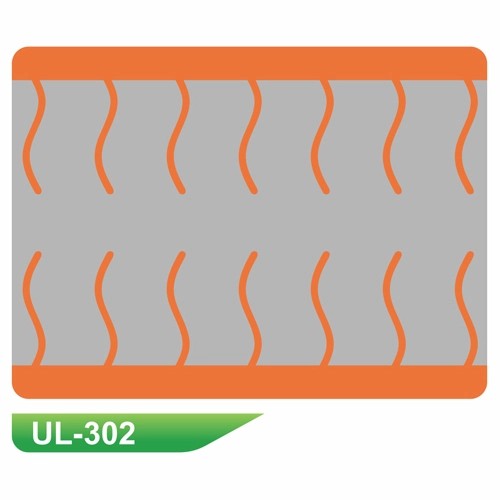
This is particularly relevant to a workwear manufacturer China because large workwear programs may involve multiple materials and production processes. A recycled jacket can contain shell fabric, lining, insulation, reflective tape, zippers, labels, and other components.
The buyer should therefore distinguish between:
A recycled polyester claim
A GRS-certified fabric claim
A GRS-certified finished product claim
A factory-level GRS certification
A valid transaction or scope document
These are not necessarily interchangeable.
A supplier should be able to explain exactly which entity is certified, which materials are covered, and how the certification applies to the finished workwear.
When evaluating a supplier, do not simply ask, “Do you have GRS?”
Ask for documentation that allows the claim to be verified.
Important information includes:
Certificate holder name
Certification body
Certificate number
Scope of certification
Certified processes
Applicable product categories
Recycled material types
Certificate validity
Transaction documentation where applicable
Textile Exchange also provides a directory that buyers can use to find or verify certified companies and suppliers.
This provides a more reliable procurement process than accepting an unverified “eco-friendly” statement.
A key point for buyers is that recycled certification and protective performance address different issues.
GRS verifies recycled content and responsible processing requirements. It does not automatically mean that a jacket is waterproof, flame resistant, high visibility, or otherwise protective.
For example, a recycled polyester jacket may still require separate testing for high visibility or weather protection.
ANSI/ISEA 107-2020 provides requirements covering high-visibility safety apparel design, testing, performance, and labeling in the North American market.
Therefore, a GRS workwear product may need several different certifications or test reports depending on its intended application.
Jacket design is where recycled fabric certification becomes particularly interesting for professional workwear.
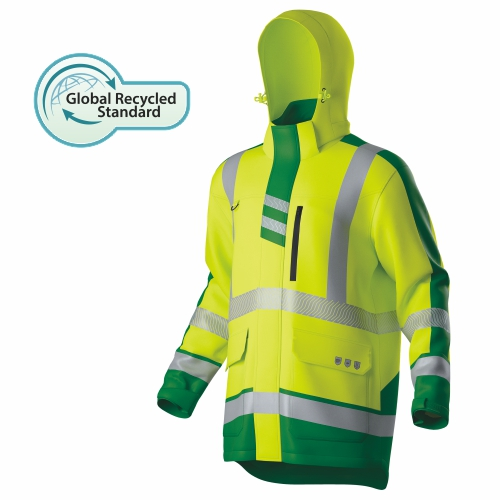
A jacket can use recycled polyester while incorporating waterproof membranes, insulation, taped seams, reflective tape, detachable hoods, adjustable cuffs, and multiple storage pockets.
Kachun's recycled range includes a HI-VIS Recycled Polyester Waterproof Winter Jacket made with 100% recycled polyester woven pongee laminated to a three-layer structure with a waterproof and breathable TPU membrane. The design also includes taped seams, insulation, waterproof zippers, a detachable hood, and segmented reflective tape. The product is specified with EN ISO 20471 Class 3, ANSI/ISEA-107 Type R/Class 3, and GRS.
For buyers comparing a recycled polyester rain jacket with a conventional waterproof work jacket, this illustrates why the fabric's recycled status should be considered alongside construction and performance.
The same principle applies to an oxford waterproof shell jacket. Oxford fabric can provide a durable outer structure, while a membrane or coating contributes to weather resistance. Buyers should verify the actual fabric construction and test results instead of assuming that “Oxford” alone indicates waterproof performance.
GRS certification can also be applied to lighter workwear products.
Kachun's recycled collection includes recycled shirts, T-shirts, polo shirts, and safety vests. Its recycled tricot safety vest uses 100% recycled polyester wrap knit and includes mesh inserts for breathability and stretch. The product is specified with EN ISO 20471 Class 2, ANSI/ISEA-107 Type R/Class 2, and GRS.
For companies purchasing recycled T shirts bulk, the same principle applies: verify whether the recycled claim is supported by certification and whether the finished garment meets the required workwear standard.
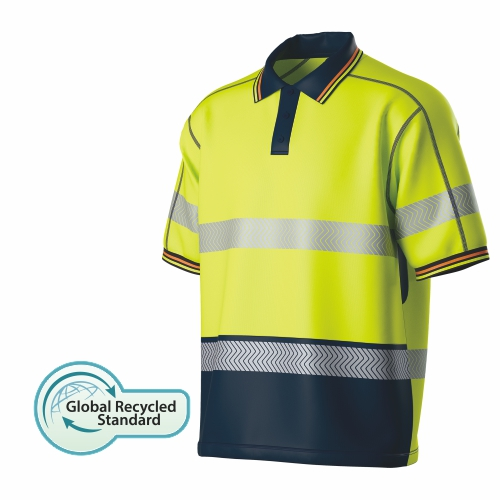
For professional visibility applications, Hi-Vis polo shirts with reflective tape can combine recycled textile content with high-visibility construction. The fabric certification and reflective-material performance should be evaluated separately.
Buyers often see several certifications on a supplier's website and assume that they all verify the same thing. They do not.
OEKO-TEX STANDARD 100 focuses on harmful-substance testing in textiles. For recycled materials, OEKO-TEX has additional requirements concerning recycled-material sources, quality management, and testing.
ISO 14001, meanwhile, concerns an organization's environmental management system. It provides a framework for systematically managing environmental responsibilities rather than certifying that a specific garment contains recycled material.
A strong China workwear manufacturer may therefore maintain multiple certifications because each addresses a different part of quality, environmental management, product safety, or material traceability.
A useful supplier evaluation should combine certification review with manufacturing capability.
Supplier Evaluation Area | Questions to Ask |
GRS certification | Is the certificate current and within the required scope? |
Recycled material | What recycled inputs are used? |
Chain of custody | How is certified material tracked? |
Product compliance | Which standards apply to the finished garment? |
Jacket capability | Can the supplier develop waterproof, insulated or breathable designs? |
Reflective materials | Are reflective tapes tested for the intended application? |
Quality system | Is production controlled through documented inspections? |
OEM/ODM | Can specifications and designs be customized? |
Factory capability | Can the supplier support repeat bulk orders? |
Documentation | Can test reports and certification documents be provided? |
Kachun reports more than 30 years of workwear manufacturing experience, OEM/ODM capability, three factories in China, an internal textile laboratory, and certifications including GRS, ISO 9001, ISO 14001, and ISO 45001.
Its internal laboratory includes equipment for textile testing, retro-reflectivity testing, tensile testing, and other quality-control activities.
Before selecting a recycled workwear supplier, confirm:
Is the supplier's GRS certificate valid?
Does its certification scope cover the relevant product or material?
Is the recycled content clearly documented?
Can the supplier provide chain-of-custody evidence?
Does the finished jacket, shirt, or vest meet the required safety standard?
Are waterproof, breathable, insulation, or flame-resistant claims separately supported?
Are reflective materials tested for the intended garment?
Can the supplier provide product-specific test reports?
Can the manufacturer support bulk production consistently?
Is the supplier prepared for future changes in recycled-material standards?
No. Recycled polyester describes the material, while GRS is a certification system that verifies recycled content and supply-chain controls and adds social, environmental, and chemical requirements.
No. Waterproof performance must be evaluated separately through the garment's fabric construction, membrane, seams, testing, and applicable standards.
Yes. Kachun's recycled workwear range includes high-visibility jackets, shirts, T-shirts, and vests. Specific products can combine GRS with EN ISO 20471 or ANSI/ISEA 107 requirements.
Ask for the current certificate, certification scope, certificate holder, certification body, recycled-material information, chain-of-custody documentation, and product-specific compliance information.
No. OEKO-TEX STANDARD 100 focuses on testing textiles for harmful substances, while GRS focuses on recycled content, traceability, and additional responsible-processing requirements.
Yes. Recycled polyester can be combined with waterproof and breathable membranes, insulation, taped seams, waterproof zippers, and reflective materials. Kachun's recycled polyester waterproof winter jacket is one example of this approach.
GRS recycled fabric is more than a sustainability label. It provides a framework for verifying recycled content and tracing certified materials through the supply chain.
For buyers working with a workwear manufacturer China, the most important step is to distinguish between a recycled-material claim and a verified certification claim. GRS should then be considered together with product-specific requirements such as high visibility, waterproofing, breathability, chemical safety, and durability.
For jacket programs in particular, certified recycled polyester can be incorporated into sophisticated designs such as waterproof winter jackets, softshells, insulated outerwear, and other technical workwear. Shirts and vests can extend the same recycled-material strategy into lighter-duty applications.
A supplier that combines valid certification, transparent documentation, strong manufacturing capability, product testing, and OEM/ODM development provides a stronger foundation for long-term sustainable workwear sourcing.
 English
 日本語
日本語 français
 português
 Deutsch
 dansk
dansk Suomi
Suomi Español
 Nederland
 norsk
norsk