Not every high-visibility garment is designed for the same working conditions. For buyers sourcing protective workwear for welding, metal processing, utilities, oil and gas, electrical work, or other demanding industrial environments, adding an FR requirement can significantly change the product specification.
A garment that looks similar to conventional hi-vis workwear may use a completely different fabric system, seam construction, reflective trim, and labeling configuration when flame resistance is part of the requirement. Even the choice between an FR shirt, jacket, flame retardant hi vis vest, and coverall can affect coverage, mobility, layering, and how the garment fits into the overall PPE system.
That makes the sourcing process more than a simple product comparison. When evaluating flame resistant hi vis clothing, buyers need to connect the job hazard to the garment format, verify the materials and components, review relevant test documentation, and confirm that the approved sample matches the specification intended for bulk production. The following guide breaks down the key points to evaluate before placing an OEM or workwear order.
When flame resistance becomes part of a high-visibility workwear specification, buyers need to evaluate two different performance requirements at the same time. High-visibility clothing is designed to make the wearer more conspicuous, while flame-resistant clothing is intended to provide specified protection against particular thermal hazards.
ISO 20471:2013 specifies requirements for high-visibility clothing intended to signal the presence of the wearer in different light conditions, including situations where the wearer is illuminated by vehicle headlights. ISO currently lists ISO 20471:2013 as the current published edition while indicating that a replacement edition is under development. Buyers should therefore confirm the applicable standard and edition for their specific market and program.
Flame resistance has a separate technical basis. The appropriate requirements depend on the hazard identified in the workplace. For example, ASTM F1506 covers flame-resistant and arc-rated protective clothing for electrical workers exposed to momentary electric arcs and associated thermal hazards. Its requirements include areas such as material performance, garment construction, durability, and labeling.
This distinction is particularly important when sourcing flame resistant hi vis clothing. A garment should not be considered suitable simply because it combines fluorescent fabric with an “FR” claim. The buyer needs to establish the intended hazard, required level of protection, applicable standard, garment coverage, and supporting documentation.
The same principle applies to a flame retardant hi vis vest. A vest may provide useful visibility and may be appropriate for certain applications, but its suitability for a specific thermal hazard depends on its actual material, construction, coverage, and documented performance.
For procurement teams building a broader workwear program, it is useful to compare different garment categories before finalizing the technical specification. Buyers can review the Kachun Workwear product range as a starting point for evaluating available workwear configurations.
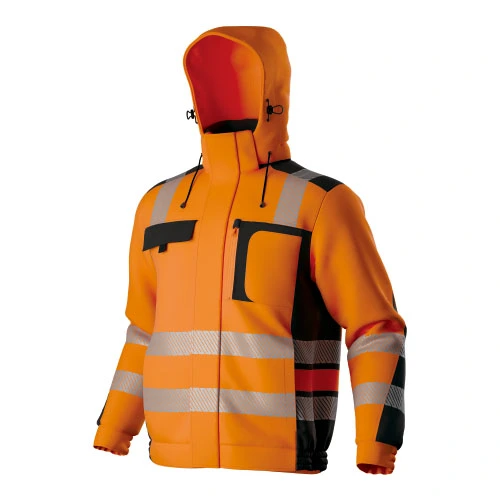
The garment format should be selected according to the job rather than based solely on appearance. FR shirts, jackets, vests, and coveralls can all have a role in an industrial workwear program, but they provide different combinations of coverage, mobility, weather protection, and layering flexibility.
| Garment Format | Main Advantage | Key Buyer Considerations | Typical Application Considerations |
|---|---|---|---|
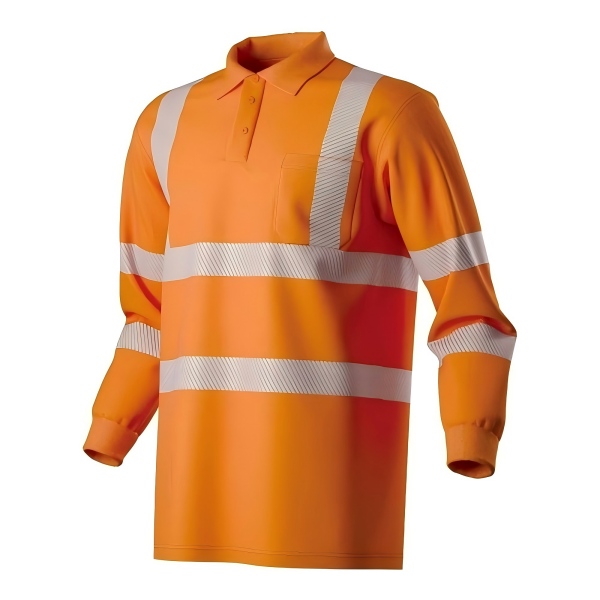
| FR hi-vis shirt | Lightweight coverage and mobility | Fabric weight, breathability, sleeve design, reflective layout, laundering requirements | Warm environments and active industrial work |
| FR hi-vis jacket | Outer-layer coverage and weather protection | Shell fabric, lining, closures, weather resistance, reflective components | Outdoor work and changing weather conditions |
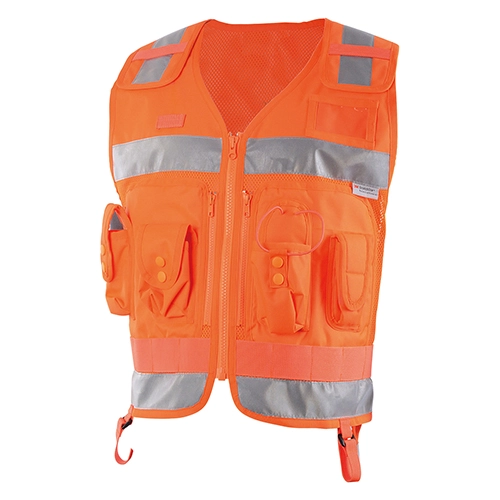
| Flame retardant hi vis vest | Lightweight visibility layer | FR material, reflective configuration, coverage, closure system | Applications where a vest format is appropriate |
| FR hi-vis coverall | Integrated body coverage | Fabric, seams, closures, sizing, mobility, ventilation, documentation | Jobs requiring broader protective clothing coverage |
FR shirts can be useful when workers need lightweight clothing for active jobs or warmer environments. Fabric weight and breathability become important considerations because the garment needs to balance protection with everyday wearability.
FR jackets provide additional outer-layer coverage and can be useful where workers also face rain, wind, or colder temperatures. However, additional features such as waterproof membranes, insulation, linings, and storm flaps can change the construction of the garment and should be considered when reviewing the complete specification.
A flame retardant hi vis vest may be appropriate where a lightweight high-visibility format is sufficient for the intended application. Buyers should not assume that all FR vests provide equivalent protection simply because they use similar terminology. The fabric, reflective material, closure system, and documented test performance should be checked against the intended use.
Coveralls provide a more integrated garment system and can offer broader coverage than separate shirts and trousers. They can be useful for applications where minimizing gaps between garments is important. At the same time, buyers should evaluate ventilation, movement, sizing, pocket access, and closures because these factors influence how practical the garment is during extended shifts.
Layering should also be considered. In some work environments, a lightweight FR shirt may be worn in warmer conditions while an FR jacket is added when temperatures or weather conditions change. A clear garment strategy can therefore be more useful than expecting one product to perform every function throughout the year.
For flame resistant hi vis clothing, fabric selection is only one part of the sourcing decision. The performance of the finished garment depends on how the fabric, thread, seams, closures, reflective components, labels, and other trims are combined.
Buyers should first establish the fabric construction and determine whether the flame-resistant performance comes from inherently flame-resistant fibers or from a flame-resistant treatment. The appropriate solution depends on the intended application, required performance, care conditions, and applicable standards.
Ask the supplier for the fabric composition and relevant technical information. Important characteristics may include weight, construction, color, durability, dimensional stability, breathability, moisture management, and care requirements. These details can influence both performance and long-term user acceptance.
Seams also deserve close attention. Stitching, thread selection, reinforcement, and seam configuration can affect durability and the overall performance of the finished garment. High-stress areas such as pockets, elbows, shoulders, crotches, cuffs, and closures should be reviewed during sample approval.
Trims should not be overlooked. Zippers, buttons, hook-and-loop fasteners, elastic components, drawcords, labels, and reflective materials all form part of the final garment construction.
ASTM F1506, for example, includes requirements related to material performance, garment construction, mechanical durability, and labeling for the protective clothing covered by the specification. Buyers should therefore avoid evaluating an FR garment solely on the basis of a fabric certificate when the finished product is the item being supplied.
For OEM programs, the material specification should be written clearly enough that the approved sample can become a production reference. Any changes to fabric, trims, reflective tape, thread, closures, or construction after approval should be reviewed before bulk production.
Reflective materials are an essential part of high-visibility workwear, but they should not be treated as interchangeable decorative components. Their performance, configuration, attachment method, and compatibility with the garment need to be considered together.
ISO 20471 establishes requirements for high-visibility clothing, including requirements related to background material and retroreflective material. The purpose is to improve wearer conspicuity under specified lighting conditions.
When high visibility is combined with flame resistance, the reflective material also needs to be considered in the context of the garment's intended thermal-risk profile. A reflective tape used on conventional workwear should not automatically be transferred to an FR garment without confirming that the complete construction is appropriate.
This is particularly relevant for a flame retardant hi vis vest, where reflective components can make up a significant part of the visible garment design. Buyers should verify the background fabric, reflective material, attachment method, closure system, and relevant documentation as one specification.
Reflective layout should also support visibility from the directions relevant to the job. Depending on the applicable requirements, this may involve reflective bands around the torso, shoulder areas, sleeves, or back. The exact configuration should be based on the applicable standard and intended use rather than copied from another garment.
It is also important to consider how the garment interacts with other PPE. Harnesses, tool belts, respiratory equipment, backpacks, and other equipment may cover sections of the garment. Buyers should therefore assess the sample while it is being worn in a realistic work configuration.
For bulk flame resistant hi vis clothing programs, reflective placement should be documented in the technical specification with clear measurements or approved artwork where necessary. This helps prevent inconsistencies between the approved sample and later production batches.
Test reports and technical documents provide the evidence behind a product specification. They should be reviewed before sample approval or bulk production, particularly when the garment is being purchased for a formal industrial PPE program.
First, check the identity of the tested material or garment. The product name, fabric reference, style number, garment model, or other identifiers should be traceable to the product being quoted and sampled.
Next, verify the applicable standard and edition. Standards can change over time, and buyers should avoid assuming that an old report automatically satisfies the requirements of a new procurement program.
For high-visibility requirements, ISO 20471 is an important reference for relevant garments. For certain electrical arc applications, ASTM F1506 is another example of a specification that connects garment performance with a defined hazard environment.
Buyers should also determine what exactly has been tested. A report may concern a fabric, reflective component, material combination, or completed garment. These are not necessarily interchangeable forms of evidence.
Check the laboratory or testing organization, test date, report identification, sample identification, test method, results, and any stated limitations. Where multiple materials or garment components are involved, confirm that the documentation covers the relevant configuration.
Care and laundering information should also be reviewed. If a garment's performance is expected to remain suitable after repeated industrial laundering, buyers should understand the manufacturer's care instructions and any relevant durability testing.
For a flame retardant hi vis vest, documentation should clearly correspond to the vest construction being purchased. A certificate for an FR fabric does not necessarily establish that every finished vest configuration has the same performance.
Good documentation also helps with future repeat orders. If the fabric, reflective tape, construction, or garment model changes, the buyer can determine whether additional verification is needed before accepting the revised product.
OEM sourcing becomes more predictable when technical questions are answered before the sample is approved. The objective is not simply to confirm that the supplier can produce a prototype, but to determine whether the specification can be reproduced consistently at production scale.
Start by asking what fabric construction the supplier recommends and whether the flame-resistant performance comes from inherently resistant fibers or a treatment. Request the relevant fabric specifications and test documentation.
Ask which high-visibility requirements the proposed garment is designed to address. Confirm how the reflective material was selected and whether its construction is appropriate for the intended FR application.
For flame resistant hi vis clothing, buyers should also ask whether the thread, closures, reflective components, labels, and other relevant trims have been evaluated within the intended garment system where required.
For a flame retardant hi vis vest, ask specifically about the background fabric, reflective layout, closure construction, coverage, labeling, and applicable documentation. Confirm whether the vest is intended to function as standalone protective clothing or as one part of a larger PPE system.
Sample approval should cover more than fabric and color. Buyers should verify measurements, size grading, stitching, seam construction, reflective placement, pocket design, closures, labels, logo position, packaging, and other production-critical details.
It is also useful to ask how the manufacturer controls material consistency during bulk production. The supplier should be able to explain how approved fabrics, patterns, reflective layouts, trims, and construction details are maintained from the first production run to subsequent repeat orders.
Finally, clarify how changes are handled. If a fabric, reflective component, zipper, thread, or other production material becomes unavailable, the buyer should know whether the manufacturer will seek approval before making a substitution.
For buyers developing or expanding an FR high-visibility workwear program, these requirements can be discussed directly with Kachun Workwear when requesting product information, OEM customization, or sample development.
Choosing flame resistant hi vis clothing requires a more detailed sourcing process than purchasing conventional high-visibility workwear. Buyers need to connect the actual workplace hazard with the garment format, material system, reflective components, construction, documentation, and applicable standards.
FR shirts, jackets, vests, and coveralls each provide different combinations of coverage, mobility, weather protection, and layering flexibility. A flame retardant hi vis vest may fit one application, while a shirt, jacket, or coverall may be more appropriate for another based on the identified risk and required coverage.
For OEM and bulk workwear programs, the strongest sourcing process begins with a precise technical specification and continues through document verification, sample testing, fit evaluation, and production quality control. By evaluating the complete garment rather than relying on individual product claims, buyers can establish a more consistent workwear program and communicate requirements more effectively with Kachun Workwear.
Flame resistant hi vis clothing combines high-visibility design with materials and garment construction intended to meet specified flame-resistant or thermal-protection requirements for a defined application.
No. A vest should only be selected when its coverage, materials, documented performance, and applicable requirements match the identified workplace hazards.
An FR shirt generally provides a lighter and more flexible garment format, while a coverall provides more integrated body coverage. The appropriate choice depends on the hazard, work activity, climate, and required protection.
Check the tested product or material identification, applicable standard and edition, test scope, test method, results, laboratory information, and whether the report corresponds to the actual garment being purchased.
Yes. Reflective components are part of the high-visibility system and should be selected and integrated according to the garment's visibility requirements and intended risk profile.
Confirm the fabric composition, FR performance, reflective materials, seams, closures, sizing, labels, applicable standards, test documentation, branding, and the manufacturer's process for maintaining consistency during bulk production.
 English
 日本語
日本語 français
 português
 Deutsch
 dansk
dansk Suomi
Suomi Español
 Nederland
 norsk
norsk